History

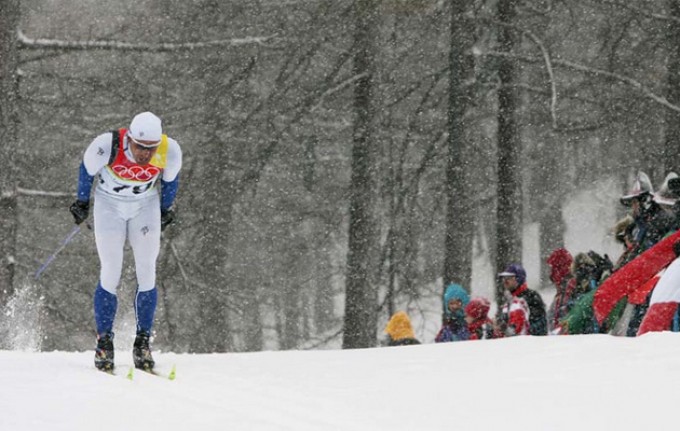
Cross country skiing is the oldest type of skiing. It emerged from a need to travel over snow-covered terrain and developed as a sport at the end of the 19th century.

Norwegian origins
For centuries in the snow-covered North, skis were required to chase game and gather firewood in winter time. With long distances between the small, isolated communities and hard, snowy winters, skiing also became important as means of keeping in social contact. The word “ski” is a Norwegian word which comes from the Old Norse word “skid”, a split length of wood.

Earliest form
Different types of skis emerged at various regions at about the same time. One type had a horizontal toe-piece binding. The modern ski bindings are based on the Fennoscandian model of the 19th century. The East Siberian type was a thin board with a vertical four-hole binding. Sometimes it was covered with fur. The Lapps used a horizontal stem-hole binding. Present-day cross country skis were developed from the type used by the Lapps.

First competition
Norwegian army units were skiing for sport (and prizes) in the 18th century. Skiing for sport appeared in Norway in the mid 19th century; the first race on record is 1842.The famous Holmenkollen ski festival started in 1892, with the focus initially on the Nordic combined event. However in 1901, a separate cross country race was added to the festival.

Scandinavian dominance
The men’s event debuted at the first Winter Olympic Games in Chamonix in 1924 and the women’s event debuted at the 1952 Oslo Games. The sport has traditionally been dominated by the Nordic countries.

Source: olympic.org

Equipment

Boots
Cross-Country boots are similar to running shoes. The boots for free technique are more rigid and have more ankle support than the boots used for classic technique.

Bindings
The bindings secure only the toe of the boot to the ski.

Poles
For classic technique, the poles should extend to the armpit while standing. Baskets at the bottom of the poles provide a base for a strong pushoff. For free technique, the poles are generally longer and stiffer and extend to the chin or mouth of the skier. The baskets and tips are designed like classic poles.

Skis
The skis used in cross-country are lighter and narrower than those used in alpine skiing and have long curved tips. The minimum length of skis for the classical events is between 1.95 and 2.10 metres, while the average length for skating or free technique skis is between 1.70 and 2 metres. The tips of skating skis also curve more.

Wax
The wax a skier chooses can often be the difference between winning and losing. Knowing what wax to use is determined by snow and weather conditions. There are two types of wax: glide wax and kick wax, also known as grip wax. Glide wax is used to decrease the friction between the skis and the snow. Kick wax is used to increase friction between the skis and the snow in order to prevent slipping.

Suit
Uses stretch fabric hugging the body, similar to a runner’s training clothing. Woollies and thick socks are definitely no longer fashionable.

Source: olympic.org

Glossary

Classic technique
The traditional ski racing technique. Athletes use a diagonal stride in which both skis stay parallel to each other.

Free technique
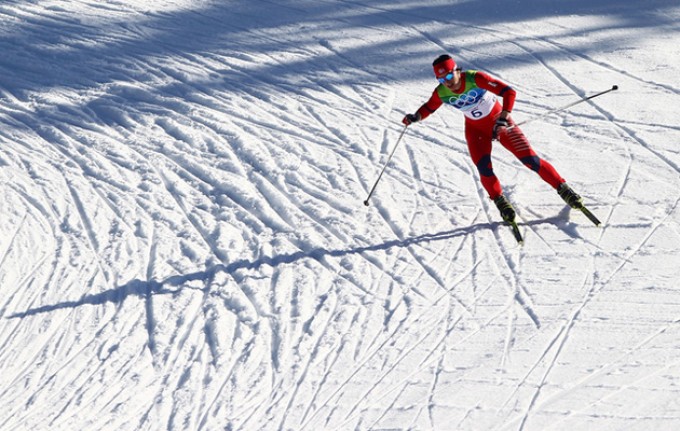
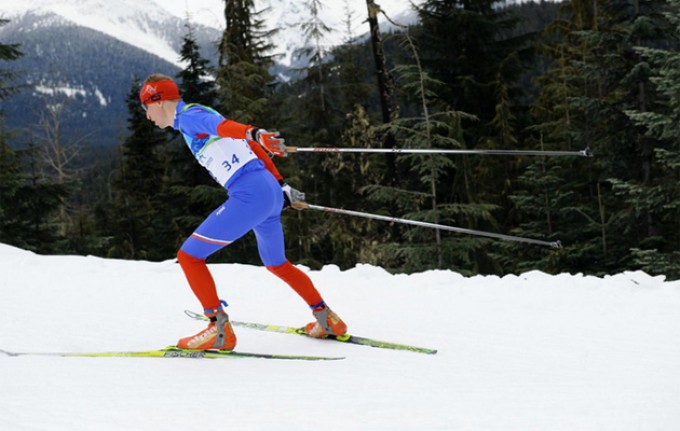
The skating – or free – technique, which was developed in the 1970s, closely resembles the motions of ice skating, where one pushes the inside edge of the ski simultaneously backward and outward at about a 45-degree angle. It usually is faster than classic technique.

Glide wax
Wax used to decrease the friction between the skis and the snow. It is applied to the entire ski in free technique races, but only to the front and rear tips of the skis in classic races.

Grip wax
Also known as kick wax, it increases the friction between the skis and snow to improve traction. It is applied to the middle part of the skis for classic races.

Harries
A ski preparation technique in classic skiing used when kick wax is not appropriate for the conditions. Technicians use a wire brush to roughen the base of the skis.

Mass start
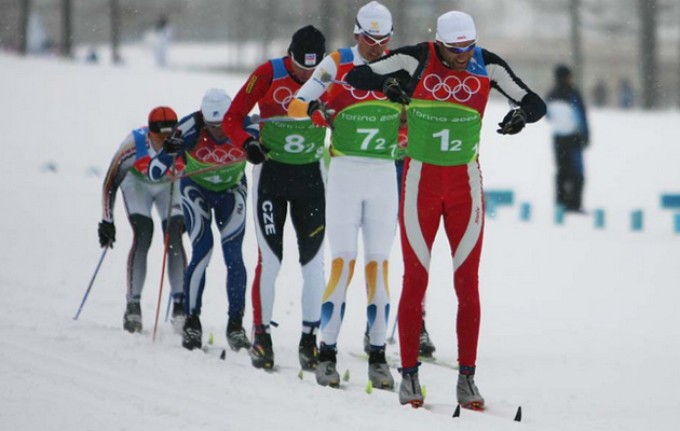
All competitors start together, and the first skier to pass the finish line is declared the winner.

Pursuit start
Pursuit events have a mass start and the athletes use both techniques within the same race. During a pit stop at the stadium after half of the race distance has been completed, the athletes change equipment from the classical to free technique.

Scramble leg
The first leg of a relay race. Named this way because relay races feature mass starts with everyone bunched together.

Staggered start
A start in which skiers leave at set intervals. The winner is the athlete with the best time.

Vertical
An uphill climb.

Source: olympic.org