

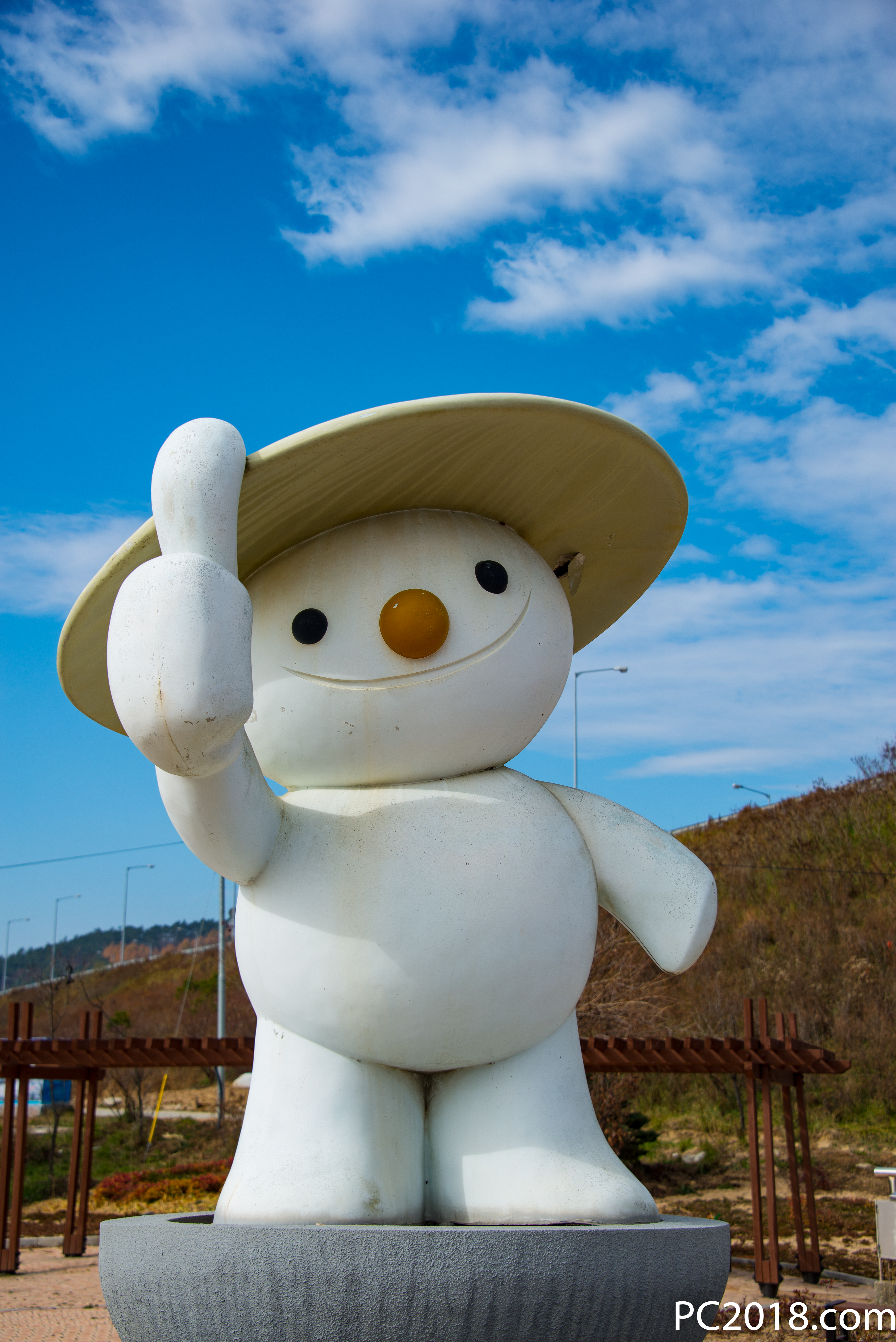
As much as we have all become accustomed to looking forward to taking in the various Olympic Venues when a new set of the Games starts, we also have interest in seeing what the mascots will look like. The 2018 Pyeongchang Winter Olympics will most likely not be an exception.
The spectacle of Olympic mascots are nothing new. The first official Olympic mascot was Schuss, a stylized skier. Although he had no further significance, he ushered in a new way for host countries to express themselves and show their history and culture.
The last time the Olympics were held in Korea, Seoul was the host. The mascots for the 1988 Summer Olympics were Hodori and Hosuni, two tiger cubs designed by Hyun Kim. These cubs held significance to Korea as a whole, as they are common in Korean legends.
More recently, the 2008 Beijing Olympics truly capitalized on the mascot pull. These games featured five mascots called the Fuwa: Beibei, Jingjing, Huanhuan, Yingying, and Nini. These creatures represented a giant panda, a fish, the Olympic Flame, a Tibetan antelope, and a swallow and were designed by Han Meilin. These figures held significance because when their names were put together they formed the Chinese phrase “Beijing huan ying ni” or “Beijing welcomes you” which was a slogan of these games. Each mascot represented an Olympic ring, symbols relating to the country and the Games, and a Feng Shui element, which is common in Chinese culture.
For the London 2012 Summer Games, the mascots took a much more modern turn. Wenlock, the official mascot, was a drop of steel with a camera for an eye, and there were multiple of him featured in different colors, all designed by Iris. The significance to this is that they are named after the village of Much Wenlock in Shropshire, which hosted a precursor to our modern Olympic Games in the 19th century. It also represents the start of the United Kingdom’s Industrial revolution with the steel, and the technological future with the camera.